April 19, 2025A Sustainable Solution with the 70/30 Demand-Based Production Model
The fashion industry, particularly in the ready-made garment (RMG) sector, is notorious for its deadstock and waste. From overproduction to unsold inventory, these issues are not only detrimental to businesses but also to the environment and global economies. Globally, and especially in Bangladesh—a hub for RMG production—the challenges of deadstock and waste are overwhelming. Let’s delve into what deadstock and waste mean in the context of RMG, examine some eye-opening statistics, and explore a solution that is gaining traction: the 70/30 Demand-Based Production Model.
What is deadstock and waste in the RMG sector?
Deadstock refers to garments that remain unsold after production, often due to overproduction or a mismatch between consumer demand and the products made. These unsold goods end up as extra inventory that companies find difficult to sell, which causes them to suffer significant financial losses. Because fashion trends are unpredictable and demand fluctuates, this is a regular occurrence in the RMG industry.
Contrarily, waste is any extraneous material or product that is thrown away, frequently as a result of overproduction or ineffective manufacturing techniques. This waste includes fabric scraps, faulty goods, and excess inventory in addition to unsold clothing.
These issues impact more than simply companies’ bottom lines. They also have a significant role in the deterioration of the environment. Overproduction leads to pollution in the form of water contamination, CO₂ emissions from textile manufacturing, and non-biodegradable waste filling landfills.
Deadstock and Waste: The Global and National Impact
The statistics surrounding deadstock and waste in the fashion industry are staggering.
Approximately 92 million tons of textile waste are created globally each year, according to 2021 research by the Ellen MacArthur Foundation. Deadstock, or unsold inventory, is mostly to blame for this.
According to the UN Environment Programme, 10% of global carbon emissions come from the fashion business, which is higher than the combined emissions from all international travel and maritime commerce.
In Bangladesh, a global leader in RMG production:
- Approximately 5–10% of clothing produced in Bangladesh, a world leader in RMG manufacture, is lost, either as a result of overproduction or export rejection, according to the Bangladesh Garment Manufacturers and Exporters Association (BGMEA). This represents a huge loss of financial and material resources.
- About 1.6 million tons of textile waste, largely deadstock, were produced yearly by Bangladesh’s apparel sector in 2020.
With significant economic, environmental, and social repercussions, these figures demonstrate the vast scope of waste and deadstock problems in both the national and international RMG industries.
These statistics highlight the enormous scale of waste and deadstock issues in both the global and national RMG sectors, with profound economic, environmental, and social consequences.
Environmental Pollution and Economic Loss
The environmental impact of textile waste is severe:
- Water pollution: The fashion industry is the second-largest consumer of water worldwide. Toxic dyes and chemicals from the production process often end up in rivers and lakes, harming aquatic life and local ecosystems.
- Carbon emissions: The production of textiles releases significant amounts of CO2. The UNEP states that the fashion industry’s carbon footprint is comparable to that of the aviation and shipping industries combined.
- Landfill overload: A significant portion of textile waste ends up in landfills, where it takes centuries to decompose. Much of this waste could have been avoided with smarter production practices.
In terms of economic loss:
- Globally, over $400 billion in unsold inventory is lost each year due to overproduction and deadstock, according to McKinsey & Company.
- In Bangladesh, RMG export losses from unsold garments have been estimated to amount to millions of dollars annually, especially when demand forecasts fail.
Why Mitigate Deadstock and Waste?
- The minimization of deadstock and waste presents fundamental reasons why it remains essential.
- Cutting down textile waste supports both environmental sustainability and decreased water usage and energy waste and reduced harmful emissions and ecosystem protection.
- Organizations benefit from economic efficiency by creating products and services in line with consumer demand, thus avoiding money loss and reducing markdowns, which results in higher profit margins.
The public demonstrates rising environmental consciousness because they expect businesses to decrease their waste output. Consumer trust, together with brand loyalty, increases when companies cut down their waste generation while practicing sustainability.
The 70/30 Demand-Based Production Model: My Solution at Live Shopping
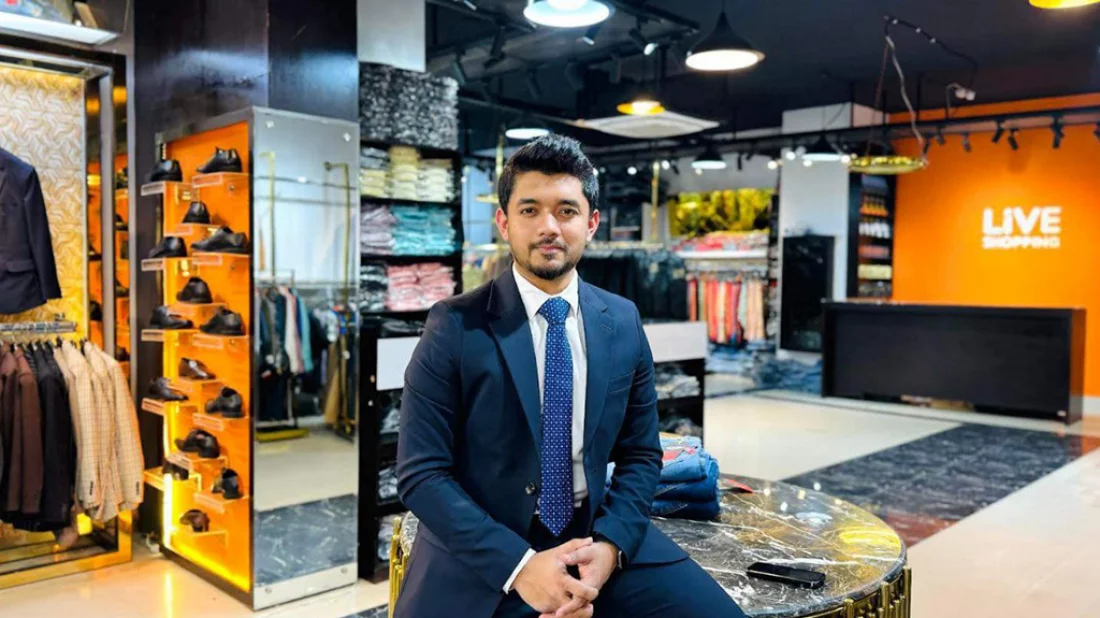
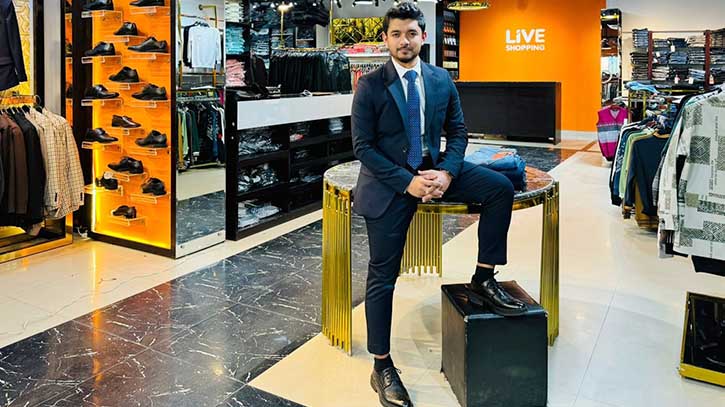
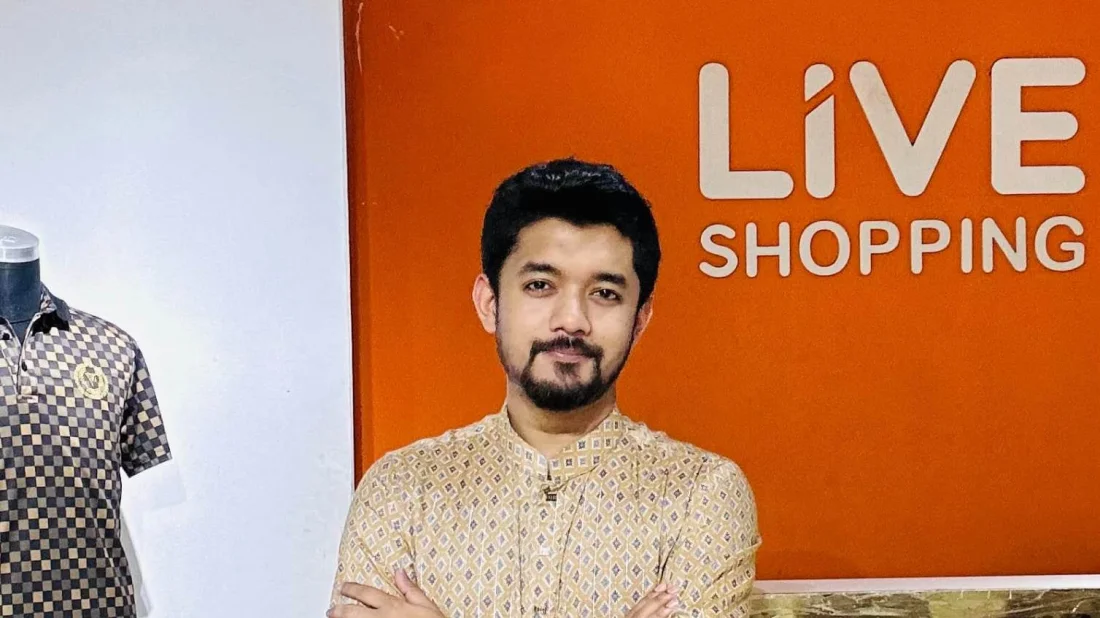
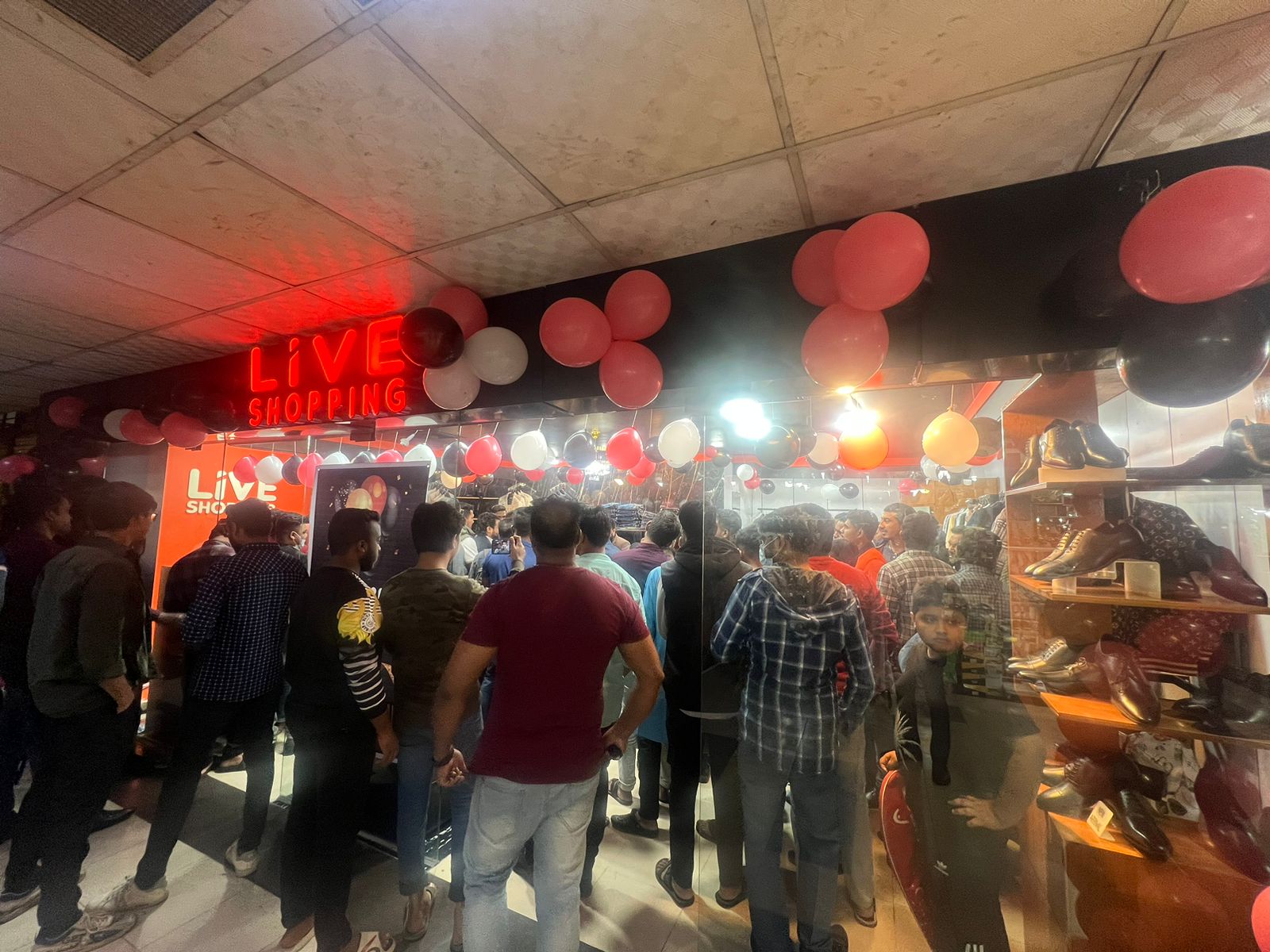
As someone deeply involved in the RMG sector and committed to building a sustainable fashion brand, I knew from the very beginning that we had to challenge the traditional methods of mass production. At my brand, Live Shopping, we faced the same issues that plague the entire industry—deadstock, overproduction, and wasted resources. That’s why I introduced and implemented the 70/30 model, or, as we can say, the Demand-Based Production Model, a system I designed specifically to address these problems in a practical, efficient, and scalable way.
How I Structured the 70/30 production Model
The model I’ve developed and refined at Live Shopping is simple in principle but powerful in impact:
- 70% Initial Production: When we launch a new collection or product line, we initially produce only 70% of what our total production capacity allows. This 70% is based on data-driven forecasting, social media trend analysis, and real-time customer interest from our live sessions and digital platforms.
- 30% Reserved Materials: The remaining 30% of our fabric and resources are held in reserve. These are not immediately cut or stitched, which gives us the flexibility to respond to actual sales performance.
- On-Demand Adjustment: This dynamic model means we’re always producing in tune with live customer demand, not speculation. Our team monitors sales daily. and we can push production in the right direction without delay.
How I Solved the Size Ratio Problem
One of the trickiest parts of garment production is predicting size ratios. Traditionally, factories use fixed ratios like 1:2:2:1 for sizes M, L, XL, and XXL. But from my experience at Live Shopping, I’ve seen that this often doesn’t reflect the actual preferences of our customers—especially when styles or fits vary.
With the 70/30 model, I’ve added a flexible size ratio system. During the 70% initial production, we follow a baseline ratio based on historical sales data. But in the 30% reserve production, we adjust based on what sizes are actually selling. For example, if XL sells out faster than M, we shift the ratio and prioritize XL in the next round. This method helps us prevent size-based deadstock, which is a major hidden source of waste in our industry.
The Impact at Live Shopping
Since implementing this model, the benefits at Live Shopping have been remarkable:
- Deadstock Has Dramatically Dropped: Almost everything we make now ends up in the hands of a consumer; nothing is kept in storage.
- Efficiency in Production Costs: We have reduced production expenses and minimized losses from unsold inventory
- Better Cash Flow, Faster Turnaround: We can scale popular items more rapidly because of the 30% buffer, which also helps us cut down on superfluous inventory and improve cash flow.
- Customer-Centric Experience: More of what customers truly desire is provided. Top-selling items can be promptly restocked in response to current demand.
- Environmental Sustainability: We use less water, fewer chemicals, and less fabric waste when we produce less than we need.
I founded Live Shopping with the goal of producing smart, scalable, and sustainable fashion. The demand-based production model, or 70/30 model, is our operating system and was created to address actual issues in the RMG industry. It is more than just a strategy. This methodology has changed the way we think about fashion production, from lowering deadstock and financial loss to safeguarding the environment and meeting consumer demand.
I firmly think that this is the trend of the future, not just in Bangladesh but also around the world. And we take pride in spearheading that transformation.